
Thinking about sending something overseas in 2026? Sea shipping is still a major player in getting goods around the world. It’s not as fast as flying, but it can move a lot more stuff for less money. Whether you’re a business sending products or just moving your life, understanding how it all works is key. We’ll look at what’s new and what you need to know for the year ahead.
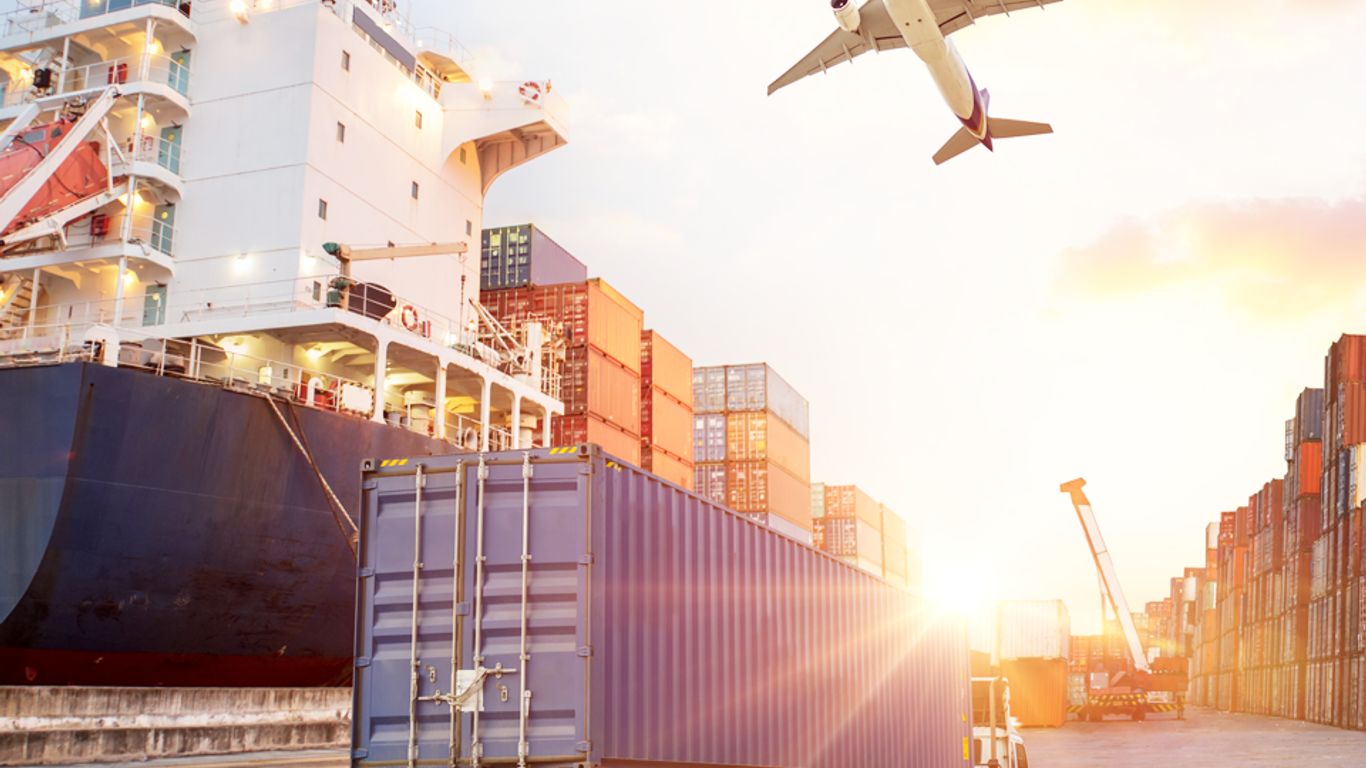
The world of sea shipping is always changing, and 2026 is no different. We’re seeing some pretty cool tech pop up that makes moving goods across the ocean smoother and more predictable. It’s not just about bigger ships anymore; it’s about smarter ways to manage everything.
Remember the days of just hoping your container was on the right ship? Those days are fading fast. Real-time tracking is becoming the standard, giving everyone involved a clear picture of where their cargo is at any moment. This isn’t just a nice-to-have; it’s becoming a foundation for how logistics are managed. Knowing exactly when your shipment will arrive helps businesses plan better, avoid surprises, and keep their own customers happy. It means if a ship hits a snag, like unexpected port delays, you can see it coming and maybe even adjust plans before it becomes a big problem. This kind of visibility helps reduce those annoying delays and keeps everyone in the loop.
Paperwork used to be a huge headache in shipping. Now, cloud-based platforms are changing that. Think of it like online banking, but for booking cargo. Companies are using these systems to handle bookings, manage documents, and communicate much more efficiently. This means less chance of lost paperwork and faster processing times. It’s all about making the digital side of shipping as quick and easy as the physical movement of goods. This shift is making the whole process more streamlined, from the moment you book a spot on a ship to when your goods are ready for pickup.
Artificial intelligence is starting to play a bigger part too, especially with all the documents needed for international shipping. AI can help sort through customs forms, check for errors, and even predict potential issues before they happen. This is a big deal because incorrect documentation is a common reason for delays. By using AI, shipping companies can process paperwork faster and more accurately, cutting down on the time cargo spends waiting at ports. It’s like having a super-smart assistant that never gets tired of checking details. This technology is helping to make the complex world of international trade regulations a bit more manageable for everyone involved.
When you’re looking to move goods across oceans, it’s not just about picking a ship and hoping for the best. It’s about understanding the whole process, from your loading dock to the final destination. This is where advanced sea shipping services really shine, taking the guesswork out of international trade.
Incoterms, or International Commercial Terms, are basically the rulebook for international sales contracts. They clearly state who is responsible for what, when, and where. Knowing these terms is super important to avoid confusion and unexpected costs. For example, DAP (Delivered at Place) means the seller handles everything until the goods reach the buyer’s location, but the buyer usually pays import duties. DDP (Delivered Duty Paid) is different; the seller takes care of all costs, including duties, right up to the final delivery point. Choosing the right Incoterm can make a big difference in how smooth your transaction goes.
Here’s a quick look at some common ones:
Picking the correct Incoterm is like setting the right GPS coordinates for your shipment. It ensures everyone knows the route and who’s paying for the gas.
Think of your shipping carrier as your main ride across the ocean. Having good relationships with them is a big deal. It means you’re more likely to get space on the ships you need, especially during busy times. Companies that work closely with major ocean lines like Maersk or MSC often have better access and can secure more reliable schedules for your cargo. It’s not just about booking a spot; it’s about having a partner who can help sort things out if a problem pops up. This connection can mean better rates and more dependable service, which is a huge plus when you’re dealing with international shipments. It’s about more than just moving boxes; it’s about having a reliable connection to the global market.
Door-to-door container shipping is the ultimate convenience. It means one company handles your shipment from the moment it leaves your facility until it arrives at the recipient’s doorstep, wherever that may be. This includes all the steps in between: picking it up, getting it to the port, the ocean voyage, clearing customs, and the final delivery. This type of service is a game-changer because it simplifies the entire process. You have a single point of contact, which cuts down on confusion and makes tracking your shipment much easier. It’s especially helpful for businesses that don’t have a dedicated logistics team or for individuals moving overseas. This approach really helps to streamline international moving.
Here’s what a typical door-to-door service covers:
This end-to-end solution is designed to take the complexity out of global trade, making it accessible for more businesses and individuals alike. It’s a big step forward in how we think about moving goods internationally.
When you’re getting ready to send goods across the ocean, figuring out how to pack and what to send is a big part of the puzzle. It’s not just about stuffing things into a box and hoping for the best. You’ve got to think about how your items will travel and what makes the most sense for your budget and timeline. Getting this right means your cargo arrives safely and without unexpected costs.
This is one of the first big decisions you’ll make. It really boils down to how much stuff you have.
Shipping big, heavy, or valuable items like cars, trucks, or industrial equipment isn’t the same as sending a pallet of t-shirts. These kinds of shipments need extra care.
When preparing vehicles or machinery, always check the fuel levels (usually around a quarter tank is best) and ensure the battery is in good condition. Remove personal belongings, as they are typically not covered by carrier insurance and can add unnecessary weight or complexity.
So, what can actually go into these containers? Pretty much anything that fits and is allowed by international shipping rules. But there are some things to keep in mind.
It’s always a good idea to confirm with your shipping provider about any specific cargo restrictions before you pack. They can help you understand what’s allowed and what isn’t, saving you a lot of headaches down the line.
When you’re sending goods across the ocean, making sure everything is in order with the paperwork and rules is super important. It’s not just about getting your stuff from point A to point B; it’s about doing it the right way so you don’t hit unexpected roadblocks. Think of it like following a recipe – miss a step, and the whole dish can be ruined. For 2026, staying on top of these details is more critical than ever.
Shipping to Europe means dealing with their customs rules, and they can be pretty detailed. The Union Customs Code (UCC) is the main rulebook, and it’s pretty strict these days. You absolutely need to get your Harmonized System (HS) codes right. These codes classify your goods, and if you mess them up – like calling a fancy chair "basic lumber" – you’re asking for delays. It’s worth getting help if you’re not sure, especially with things like VAT and duty rules that change. Knowing these details helps avoid nasty surprises at the border.
If shipping is the engine of international trade, then documents are the fuel and the map. Without the right papers, your cargo basically sits still. You’ll run into a few key documents:
Getting these right from the start saves a ton of headaches later. It’s better to spend a little extra time upfront than to deal with a container stuck at a port.
The process of international shipping involves a lot of moving parts, and compliance is the glue that holds it all together. From correctly classifying your goods with HS codes to ensuring all parties have the necessary identification like an EORI number for European imports, every detail matters. Accuracy in documentation isn’t just about avoiding fines; it’s about maintaining the flow of global commerce and building trust with your trading partners.
This is where things can get tricky. What’s okay to ship domestically might be a big no-no internationally. You really need to check the lists for both the origin and destination countries. Some common things that cause problems include:
Always double-check before you pack. It’s much easier to find an alternative or leave an item behind than to have it confiscated or cause a major delay.
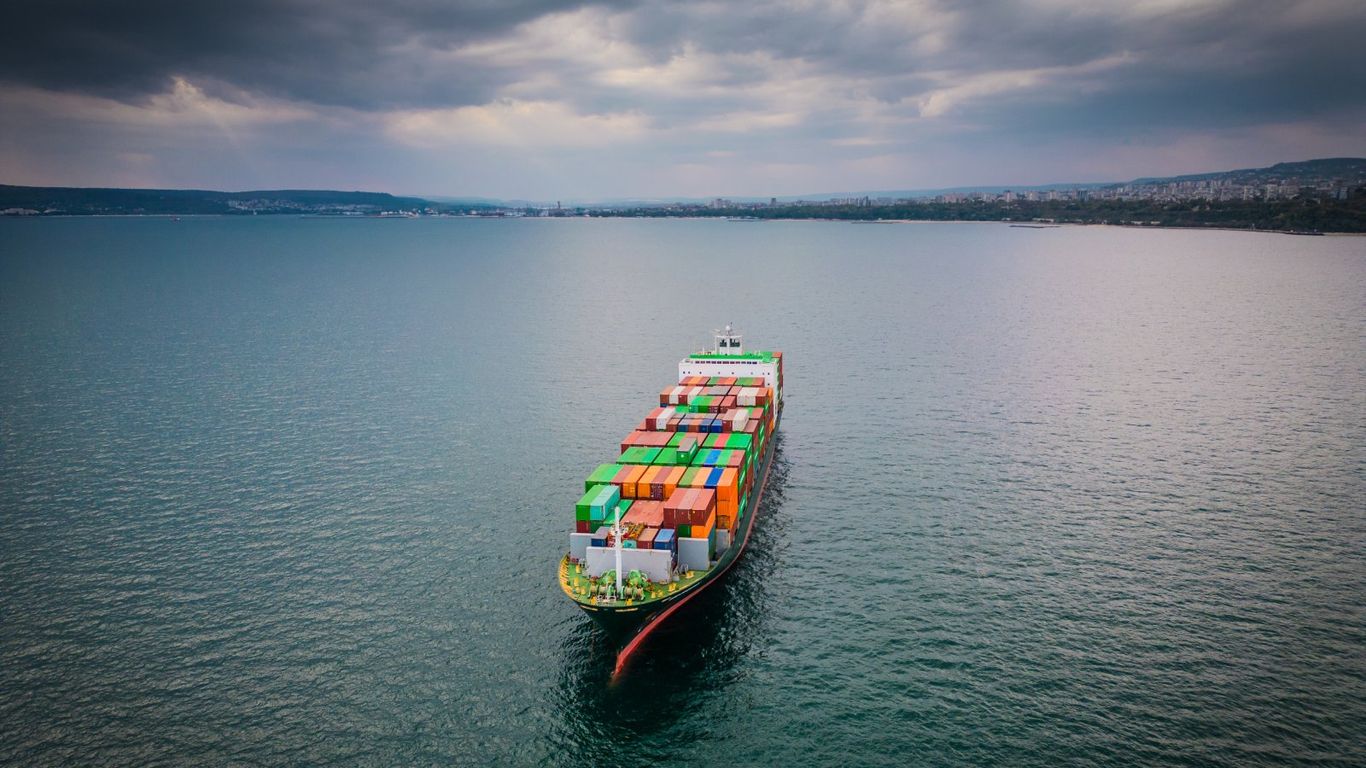
When you’re sending goods across the ocean, things can go sideways. It’s not like sending a package across town. You’ve got weather, potential mechanical issues with the ship, and a whole lot of other variables. That’s why thinking about risk management and having the right insurance is super important for sea shipping in 2026.
Look, the shipping companies, they have their own insurance, sure. But their liability is often pretty limited, especially when you’re dealing with international rules. Getting your own cargo insurance is really the best way to protect your investment. It means if something happens to your goods – they get lost, damaged, or stolen – you’re not left holding the bag. There are different levels of coverage, so you’ll want to figure out what makes sense for the value of what you’re shipping. It’s not just about big disasters either; sometimes it’s the smaller things that add up.
These two can really sneak up on you and add unexpected costs. Demurrage is basically a fee you pay if your container sits at the port for too long after it’s supposed to be picked up. Detention is similar, but it’s usually for keeping the container longer than agreed upon after you’ve taken it from the port. It happens. Maybe there’s a delay getting it cleared through customs, or your own delivery schedule gets messed up. Knowing the difference and trying to avoid these fees is a big part of managing your shipping costs.
Here’s a quick breakdown:
Being aware of these potential charges is half the battle. It encourages better planning and faster movement of your cargo through the logistics chain, which ultimately saves you money and headaches.
Delays are almost a given in international shipping. Ports get congested, weather can mess with schedules, and sometimes paperwork just takes longer than expected. The key is to have a plan for when these things happen. Real-time tracking is a lifesaver here; knowing exactly where your shipment is allows you to react faster if a problem pops up. Building some buffer time into your delivery schedule is also a smart move, especially for time-sensitive goods. And always, always have backup plans for your transportation at both the origin and destination points. It’s all about being prepared for the unexpected on the open sea.
The transatlantic shipping lane continues to be the busiest bridge connecting the United States and Europe. As 2026 rolls on, companies and individuals are wrestling with new rules, new tech, and plenty of moving parts. Some factors—like post-pandemic supply chain chaos—have settled, but others like changing tariffs, emissions regulations, and labor costs keep reshaping the scene. So, what should shippers expect next?
Shipping across the Atlantic is never as simple as just booking a spot on a ship. There are quite a few key variables:
Here’s a quick breakdown of the cost contributors in a typical transatlantic shipment:
| Component | Short Description |
|---|---|
| BAF | Fuel-related surcharge |
| CAF | Currency fluctuation adjustment |
| THC | Port container handling fees |
| Ocean Freight | Core shipping rate |
| Customs/Duties | Country-specific—VAT applies in Europe |
| Door Delivery | Truck/rail to final destination |
Delays often trace back to paperwork errors or missing filings—something as small as a mistyped code can stall a container for days. For some up-to-date logistics strategies, you might find it useful to check on how modern logistics providers use alternative fuels and tech advances.
It’s not enough to just focus on the ocean part—shipping cost calculators often skip over inland movements, customs brokerage, local taxes, and applicable VAT. To see the real cost, total landed logistics is what matters. That means your cost sheet should include:
Most experienced shippers now use digital tools to map out every step. If you want to avoid last-minute surprises, double-check the latest Incoterms. For bulk moves, Full Container Load is still the gold standard for safety and speed, but those with smaller volumes benefit from Less Than Container Load shipping.
Planning a shipment from the US to Europe can be a headache, but getting each link in the chain sorted ahead of time means less stress and lower costs. Every added mile by truck or each customs line you cross equals another chance for a hold-up or surprise fee.
European customs rules in 2026 are tougher than ever. Two big points to watch:
Shippers are dealing with tightening security checks too. New regulations mean data for each consignment must reach EU customs before the vessel even leaves the US.
Key points for staying compliant on EU imports:
Even professionals get tripped up by changes in import rules. Those who take the time to double-check documentation and duty rates are far more likely to avoid costly delays or fines.
The bottom line? Transatlantic sea shipping in 2026 is getting more structured—those willing to pay attention to all the logistics details will have a clear edge. Getting your pricing right, managing paperwork, and working with strong carrier partners is not just recommended, it’s basically mandatory now.
Looking ahead to 2026, sea shipping is changing fast. Tech is making it easier to track shipments and avoid surprises, while new rules in Europe mean paperwork matters more than ever. Whether you’re a business sending goods or a family moving overseas, planning ahead is key. Picking the right shipping method, double-checking your documents, and staying in touch with your shipping partner can save you a lot of stress. The basics haven’t changed—get your stuff packed well, know what you can and can’t send, and keep an eye on your timeline. But with better tracking and smarter logistics, shipping by sea is more reliable than it used to be. If you’re thinking about shipping in 2026, don’t be afraid to ask questions and get help when you need it. The industry is moving forward, and with a little preparation, you can move with it.
When we talk about door-to-door shipping, it means we handle your stuff from the moment we pick it up at your place right until it’s delivered to the final spot in Europe. This usually includes getting it to the port, the ocean trip, and the final delivery from the European port to the door. We also manage a lot of the paperwork in between.
Shipping by sea can take a while, typically around 3 to 5 weeks from the US East Coast to a European country. But remember, this doesn’t include the time it takes to get the empty container to you and then move it to the port. So, it’s always good to plan ahead, especially during busy times like holidays.
Think of FCL (Full Container Load) like having a whole moving truck just for your stuff. You get a whole container (either 20 or 40 feet) all to yourself. LCL (Less than Container Load) is like carpooling for your items. Your things share space with other people’s items in a container, which is great if you don’t have a lot to send.
There are rules about what you can and can’t send. Things like loose batteries, aerosols, certain foods, and alcohol are often not allowed because they can be dangerous or are highly regulated. It’s super important to check the list of banned items before you pack anything.
Paperwork is like the ‘passport’ for your shipment. Without the correct documents, like the Bill of Lading and the Commercial Invoice, your cargo can get stuck at the border for a long time, causing delays and extra costs. It tells everyone involved exactly what’s being shipped and who’s responsible.
Incoterms are like the ‘rulebook’ for international buying and selling. They clearly explain who is responsible for what, like who pays for shipping and when the risk transfers from the seller to the buyer. Knowing these terms, like DAP or DDP, helps avoid confusion and problems later on.