
So, you’re thinking about shipping to Europe in 2026? It’s a big move, and honestly, the rules can feel a bit overwhelming. Things have changed, especially with how low-value shipments are handled. But don’t sweat it. This guide breaks down what you really need to know to get your stuff across the Atlantic without a hitch. We’ll cover the new regulations, the paperwork, the best ways to ship, and how to make sure your goods clear customs smoothly. Let’s get your shipping to Europe sorted.
Things are changing when it comes to shipping into the European Union, and 2026 is a big year for these updates. It’s not just about getting your stuff there; it’s about making sure it gets there without a hitch, and that means knowing the new rules. The EU has been working on harmonizing its import processes, and some of the changes are pretty significant for anyone sending goods across the Atlantic.
The EU low-value customs rules changed on July 1, 2026; €150 is not an automatic duty-free allowance. Check goods classification, import procedure and any specific relief separately from VAT. The former €22 import-VAT exemption ended in July 2021. Genuine private gifts and relocation goods have separate relief conditions; a purchase intended as a present is not automatically a private gift. Do not describe customs duty as a carrier administration fee. Check official customs relief guidance for the applicable scope.
Budget customs duty, VAT and carrier charges separately. Low value alone does not guarantee an exemption, but private-gift and relocation relief may apply when their conditions are met. Confirm the actual assessment and fees for your shipment rather than assuming a fixed administration charge on every parcel.
An EORI number, which stands for Economic Operators Registration and Identification, is becoming absolutely critical. Think of it as a unique tax ID for your shipment within the EU. If you’re importing goods commercially, you or your recipient will need an EORI number. Without one, your commercial goods can get stuck at the border indefinitely. It’s how customs authorities across all EU member states track who is importing what. This number is essential for any business that regularly ships to the EU, and it’s a key piece of information to have sorted out before your goods even leave the US. For more on the documents needed, check out Navigating customs clearance between Europe and the USA in 2026.
When you’re getting ready to send anything across the pond to Europe, the paperwork is probably the last thing you want to think about. But honestly, it’s super important. Think of it like a passport for your stuff – without the right documents, your shipment could get stuck at customs, leading to delays and extra fees. It’s not just about filling out forms; it’s about making sure everything is accurate and consistent across all the papers.
The commercial invoice is way more than just a bill. It’s a formal declaration to customs about what you’re sending. You’ve got to include the price you paid for the goods, a clear description of each item (no vague terms like ‘stuff’ allowed!), and the full contact info for both you and the person receiving the shipment. The packing list should match the invoice but focus on the physical details. It needs to tell customs exactly what’s in each box, how much it weighs, and its dimensions. If these two documents don’t line up, customs officers will definitely notice, and that usually means they’ll want to take a closer look at your actual shipment.
Every single product that travels internationally gets a special number called an HS code. It’s like a universal product ID. This code is what customs uses to figure out exactly how much duty and tax your shipment owes. Using the wrong code can lead to paying too much or, even worse, getting flagged for misclassification, which can come with some hefty penalties. It’s worth taking the time to find the correct HS codes for your products to avoid any surprises.
If you’re sending personal items, like moving your household goods, the rules are a bit different but still require detail. You can’t just write ‘personal effects’ on the customs form. You need to list out each item specifically, like ‘5 cotton t-shirts’ or ‘1 electric blender.’ This detailed list, along with a realistic value and where the items came from, helps customs officials process your shipment without needing to open every box. It makes the whole process smoother for everyone involved.
Getting the documentation right from the start is the best way to avoid headaches later on. It’s the foundation for a smooth customs clearance process in Europe.
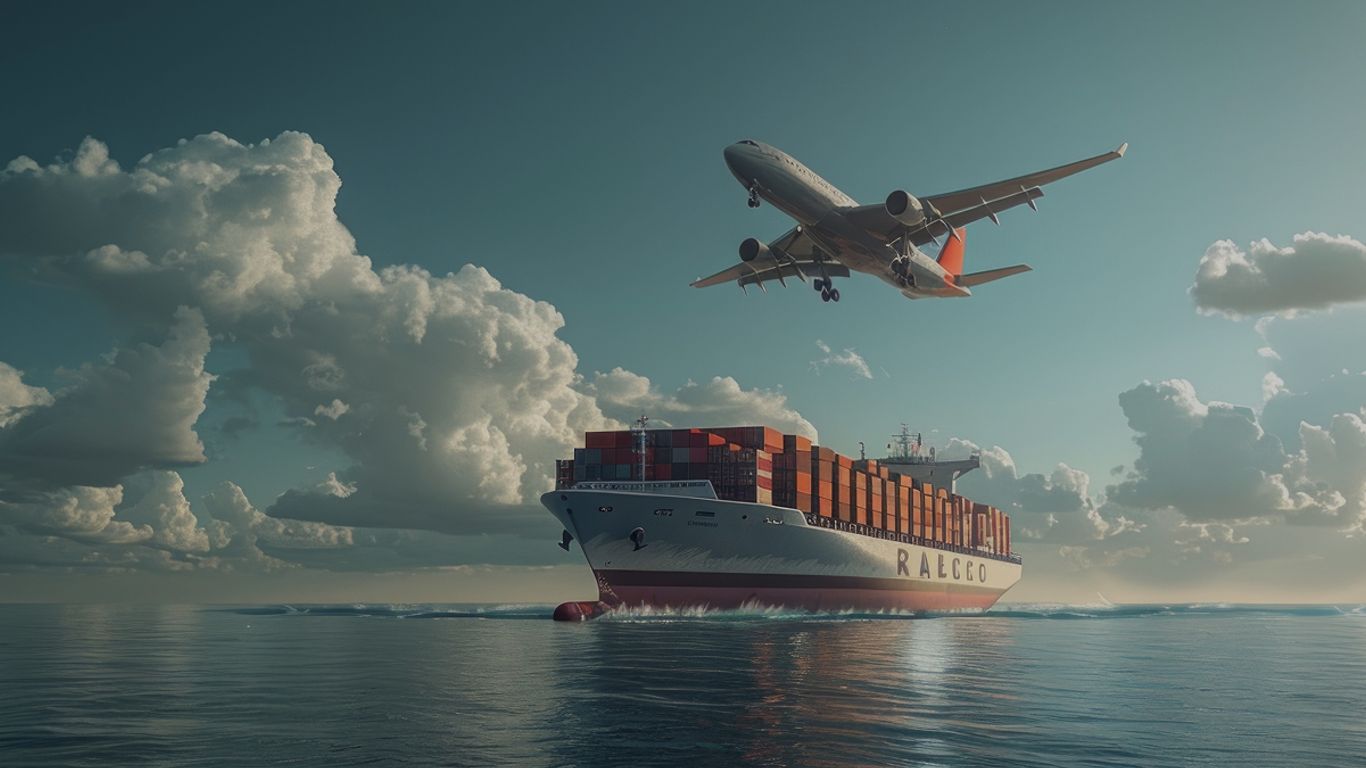
Alright, so you’re looking to ship something across the Atlantic, huh? Big move. This isn’t like sending a package across town; we’re talking about a whole ocean here. You’ve got two main ways to go: by sea or by air. Each has its own vibe and works best for different stuff.
Think of ocean freight as the workhorse. It’s slower, sure, usually taking anywhere from 13 to 35 days depending on where you’re starting and ending. But, it can handle way more volume and is generally easier on the wallet for big, heavy items. It’s the go-to for things like machinery, large quantities of goods, or if you’re moving your whole household. On the flip side, air freight is the speedy option. We’re talking a few days, maybe a week tops, once it’s in the air. This is your best bet for high-value, time-sensitive items, or smaller shipments where getting there fast is the main goal. Just know that the cost jumps up pretty quickly, and bulky but light items can get expensive fast because they take up a lot of space on the plane.
The choice between ocean and air freight really boils down to what you’re sending, how quickly you need it there, and what your budget looks like. Don’t just pick the first option you see; really think about what makes the most sense for your specific situation.
Once you’ve decided on ocean freight, you’ll run into FCL and LCL. If you’ve got enough stuff to fill up a whole shipping container – usually around 15 cubic meters or more – then FCL is probably your best bet. You get the whole container to yourself, which means it’s sealed up at your end and doesn’t get opened until it reaches its destination. That’s pretty secure. For smaller shipments, though, LCL is where it’s at. Your items get packed in with other people’s stuff into one container. It’s a smart way to ship smaller amounts without paying for a whole container you don’t need. Just remember, LCL can involve a bit more handling at the shipping terminals because they have to sort out all the different shipments inside.
This is a big one, and honestly, it trips a lot of people up. Incoterms, or International Commercial Terms, are basically a set of rules that define who’s responsible for what during the shipping process. They’re usually three-letter codes like DAP or DDP. For example, DAP (Delivered at Place) means the seller handles getting the goods to the buyer’s location, but the buyer is on the hook for import duties and taxes. DDP (Delivered Duty Paid) is different; the seller takes care of everything, including all the duties and taxes, right up to the buyer’s door. Choosing the right Incoterm is super important because it clearly lays out who pays for what and who’s on the hook if something goes wrong. It prevents a lot of headaches and arguments down the line. Make sure you and your trading partner are on the same page about which Incoterm you’re using before anything ships out. Transatlantic ocean freight rates can fluctuate, so knowing your Incoterm helps manage those costs.
When you’re sending goods from the United States to Europe, there are specific rules you need to follow before your shipment even leaves the dock. One of the big ones is filing the Electronic Export Information (EEI) through the Automated Export System (AES). This is pretty much a requirement for most commercial shipments valued over $2,500 per Schedule B number. It’s also mandatory if your goods need an export license. Think of it as the US government wanting to know what’s leaving the country and where it’s going. Getting this filing right is super important to avoid delays or even having your shipment held up. It’s not just a suggestion; it’s a legal necessity for many types of exports.
Before you even think about packing, you absolutely have to check what you’re allowed to send. Some things that are totally fine to have in your house or office in the US are a big no-no when shipping internationally. This list can change, so it’s always best to double-check with your shipping provider or official government resources. Common items that often get flagged include:
Ignoring these rules can lead to your shipment being confiscated, fined, or returned to you, which is a huge hassle and expense. It’s way easier to check the list upfront. You can find more details on what’s restricted by looking into US export controls.
Even though you’re sending things out of the US, you still need to keep records. The US government wants proof that your goods have actually left the country. This is usually handled through documents like the Bill of Lading (for sea freight) or the Air Waybill (for air freight). These documents serve as a receipt and a contract, showing that the carrier has taken possession of your goods for export. You’ll also want to keep copies of your EEI filing and any other customs declarations. Having this documentation in order is key, especially if you ever need to prove your compliance or if there are any questions down the line. It’s all part of making sure your international shipping process is clean and legal.
Alright, so you’ve got your goods ready to go to Europe. That’s awesome! But before they can land and get to their final destination, they’ve got to go through customs. It’s kind of like the bouncer at the club, checking everyone’s ID and making sure they’re on the list. This part can feel a bit daunting, but honestly, it’s mostly about having your paperwork in order and knowing what to expect.
This is a big one, especially for shipments coming by sea. The EU has this rule, often called the "24-hour rule," which means that certain information about your cargo needs to be submitted to customs authorities at least 24 hours before the ship even leaves the US port. Think of it as a pre-screening. It gives them time to look for anything suspicious or high-risk before it even crosses the Atlantic. Getting this done on time is super important to avoid delays right from the start. It’s all about security and making sure everything is above board before the journey even begins. For maritime container cargo, this is a mandatory step.
Now, not every single package needs a full-blown, super-detailed customs declaration. But if your shipment is on the pricier side or weighs a ton, you’re definitely going to need one. Generally, if your goods are worth more than €1,000 or weigh over 1,000 kg, you’ll need to file a formal declaration. This is where things like your commercial invoice and packing list become absolutely critical. They need to be spot-on accurate. The EU uses this information to figure out duties and taxes. If you’re shipping something really valuable, like machinery or a large batch of electronics, this formal process is non-negotiable. It’s how they keep track of everything coming into the bloc. For shipments valued over $2,500 in the US, you’ll also need to file an Electronic Export Information (EEI) via the Automated Export System (AES) before it leaves the US.
This is a newer development that’s really changing the game. Customs agencies in Europe are increasingly using smart technology, including AI, to check the declared value of goods. They’re not just taking your word for it anymore. These systems can compare the prices you’ve listed on your invoices against global market data. If they think you’ve undervalued your shipment to try and dodge duties or taxes, you’re going to get flagged. This means it’s more important than ever to be completely honest and accurate with your declared values. Trying to sneak something past the system is a lot harder now, and the penalties can be pretty steep. So, make sure your commercial invoice is a true reflection of what the goods are worth. It’s a good idea to have proof of purchase or sale readily available if needed.
The landscape of international shipping is always changing, and staying informed about these evolving customs procedures is key. What might have been acceptable a few years ago might now trigger scrutiny. Being proactive with accurate documentation and understanding the latest regulations, like the removal of the de minimis exemption for low-value shipments, can save you a lot of headaches and unexpected costs down the line. It’s all about preparation and transparency.
Getting your goods to Europe in 2026 isn’t just about picking a carrier; it’s about smart planning from start to finish. You’ve got to think about the whole picture, not just the price tag on the shipping itself. This means looking at what we call the "total landed logistics." It covers everything from the actual sea or air freight to getting your stuff from the port to its final stop in Europe, plus any customs fees, duties, and taxes.
Figuring out the real cost involves more than just the freight rate. You need to account for a bunch of smaller, but important, expenses. Think about things like fuel surcharges (BAF), currency adjustments (CAF), and the fees ports charge for handling your container (THC). For ocean freight, remember that even small shipments are often billed at a minimum of one cubic meter (CBM), so a tiny package might still cost you for a full CBM.
Here’s a quick breakdown of some common costs:
| Cost Component | Description |
|---|---|
| Ocean/Air Freight | The base cost for transporting your goods across the Atlantic. |
| BAF (Bunker Adjustment) | Surcharge to cover fuel price fluctuations. |
| CAF (Currency Adjust.) | Adjustment for exchange rate changes between USD and EUR. |
| THC (Terminal Handling) | Fees for loading/unloading at port terminals. |
| Customs Brokerage | Fees for a professional to handle your import declarations. |
| Duties & VAT | Taxes applied by the EU country upon import. |
| Inland Transport | Cost of moving goods from the port to the final destination. |
How you pack your items makes a big difference. Proper packaging is your first line of defense against damage during the long journey. You want to use sturdy boxes, secure them well with tape, and fill any empty space to stop things from shifting around. Overpacking or using flimsy materials can lead to your goods getting damaged, and nobody wants that. For larger shipments, consider using pallets to keep everything organized and easier to move.
The goal with packaging is to create a protective shell that can withstand the bumps, shifts, and potential stacking that happens during transit. Think about the entire journey your package will take, from being loaded onto a truck to sitting in a warehouse, then on a ship, and finally being delivered.
In today’s world, knowing where your shipment is at all times is pretty important. Modern logistics platforms give you real-time tracking, so you can see your cargo’s progress from the moment it leaves your door until it arrives in Europe. This visibility helps you manage expectations and react quickly if any issues pop up. It’s all about having that peace of mind, knowing your goods are on their way and accounted for. This kind of tracking is becoming standard, with many companies using AI to predict potential delays before they even happen, allowing for proactive rerouting. Predictive logistics is changing the game.
By focusing on these areas, you can make your shipping process smoother and more cost-effective. It’s about being prepared and using the tools available to manage your international shipments effectively. For European companies looking to cut costs, techniques like 3D load optimization can also lead to significant savings in freight and labor expenses.
Plan the shipment using its destination, contents and purpose. Confirm the customs procedure and documents before booking, and distinguish customs duty, VAT and carrier charges when comparing quotes.
Starting in 2026, the rule that let small packages worth less than €150 go through without extra taxes is gone. This means even tiny online buys will now have to pay taxes (VAT) and possibly a small fee to handle the paperwork. So, every package is treated like a formal import now.
Yes, if you’re shipping commercial goods, you’ll likely need an EORI number. Think of it like a tax ID for your shipment in the European Union. Without it, your stuff could get stuck at the border for a long time.
You need to use a Harmonized System (HS) code. This is a special number that tells customs exactly what your product is, so they know how much tax and duty to charge. Using the wrong code can cause delays or even lead to fines.
Shipping by sea is usually cheaper and better for big, heavy items, but it takes longer (weeks). Shipping by air is much faster (days) but costs more, making it best for small, valuable, or urgent items.
Incoterms are like a set of rules that decide who is responsible for the shipment at different points in the journey. For example, ‘DDP’ means the seller handles everything, including taxes, while ‘DAP’ means the buyer has to deal with taxes when the item arrives.
This rule means that for cargo ships leaving the USA, the shipping information must be sent to authorities at least 24 hours before the ship is loaded. It helps them check for risky cargo before it even leaves the country.