
Shipping things overseas can feel like a big puzzle, right? You’ve got your item, and you want it to get from point A in the US to point B somewhere across the ocean. It’s not as simple as popping it in the mail for a trip across state lines. There’s a whole world of paperwork, different rules in other countries, and ways to move your stuff that you might not have even thought about. This guide is here to break down the whole international shipping process, making it less confusing so your packages arrive without a hitch.
So, you’re thinking about sending something overseas? It’s not quite like popping a package in the mail down the street, that’s for sure. International shipping is a whole different ballgame, and honestly, it can feel a bit overwhelming at first. But don’t worry, we’re going to break it down.
First off, let’s get clear on what makes shipping international, well, international. It’s not just about how far the package travels. Think of it this way: sending a box from Chicago to New York is domestic. Easy peasy. Sending that same box from Chicago to Warsaw? That’s international, and it brings a whole new set of rules and procedures.
Here’s a quick look at the main differences:
| Factor | Domestic Shipping (USA only) | International Shipping (USA → Europe) |
|---|---|---|
| Customs Forms | Not required | Required for all shipments |
| Delivery Time | 1–5 business days | Several days to multiple weeks |
| Documentation | Basic label | Commercial invoice, customs declaration, HS codes |
| Duties & Taxes | None | May apply based on value and destination |
| Regulations | Minimal | Country-specific import laws apply |
| Prohibited Items | Few restrictions | Stricter rules vary by destination country |
It’s a big distinction. The complexity isn’t just about the miles; it’s about navigating border regulations, making sure all your paperwork is spot on, and knowing what happens to your shipment once it leaves US soil. If you’re shipping personal belongings or goods from the USA to Europe, getting this difference right is the first step to avoiding costly delays or surprises at the border. For a deeper dive into these requirements, our guide on Shipping Smarter: Everything You Need to Know About International Container Transport provides a comprehensive checklist.
People always ask, “How long will it take?” While domestic transit is usually pretty predictable, international shipping timelines have a few more moving parts. The actual travel time is just one piece of the puzzle. Customs clearance, for instance, can really change things depending on how accurate your paperwork is and how busy the port happens to be at that moment. Planning ahead, like picking the right departure dates and getting all your digital information to customs early, can really help smooth things out.
The journey of a package across borders is a complex dance of logistics, regulations, and timing. Understanding the variables that affect delivery speed is key to setting realistic expectations and ensuring your goods arrive when needed.
Not everyone needs the same thing, right? That’s why there are different service levels for shipping globally. Standard delivery, usually by ocean freight, is the go-to for most people who need to move a decent amount of stuff reliably. If you’re in a real hurry, air freight is an option, though it costs more. Then there are slower, more budget-friendly options if your schedule is more flexible and you’re shipping larger quantities of household items or personal effects. Choosing the right service tier really depends on what you’re sending and how quickly you need it there. For example, International shipping from the USA involves a complex logistics chain that goes beyond domestic transport.
Getting your paperwork sorted for an international shipment is like double-checking your passport before flying overseas—skip a step, and your package might be going nowhere fast. The paperwork is truly the backbone of every cross-border delivery. Each document plays a unique role, and you can’t afford to gloss over the details.
No matter what you’re shipping, customs authorities on both ends of the journey expect complete, honest, and accurate paperwork. If there’s a single mismatch, your goods might sit in a warehouse, racking up storage fees. Here’s a simple checklist for what you’ll nearly always need:
If the stuff in your box is listed one way on the invoice but another way on the packing list, don’t expect customs officers to just let it slide. Consistency in every form is the best way to prevent time-consuming inspections.
Think of the commercial invoice as your shipment’s official resume—it tells customs the value, origin, and a detailed description of the goods. The packing list, meanwhile, is your cargo’s table of contents. Both need to be crystal clear, with:
Here’s how the two core forms compare at a glance:
| Field | Commercial Invoice | Packing List |
|---|---|---|
| Product Description | Yes | Yes |
| Quantity | Yes | Yes |
| Declared Value | Yes | No |
| Weight/Dimensions | Optional | Required |
| Shipper and Consignee | Yes | Sometimes optional |
To get a solid grasp on what a well-made invoice looks like, check out this page focused on the commercial invoice basics.
HS codes are a bit like an international barcode for your product—without the right number, customs won’t know how to tax or regulate your shipment. The HS code determines the category and, ultimately, the duty or VAT due. Mistyping the code can mean paying too much (or too little), risking fines, or causing delays. Here’s what you should know:
It’s surprisingly common for shipments to get flagged because someone wrote “gadget” instead of listing the actual electronics with the right code. Don’t let a lazy label hold up your shipment.
As a side note, certain shipping methods (like door-to-door container shipping) add extra documentation steps—think Incoterms or specific security filings—but these are the building blocks you can’t skip.
Messing up your documents might turn a routine shipment into a customs nightmare. So take your time, double-check every box, and don’t ignore those little numbers—they matter more than you might think.
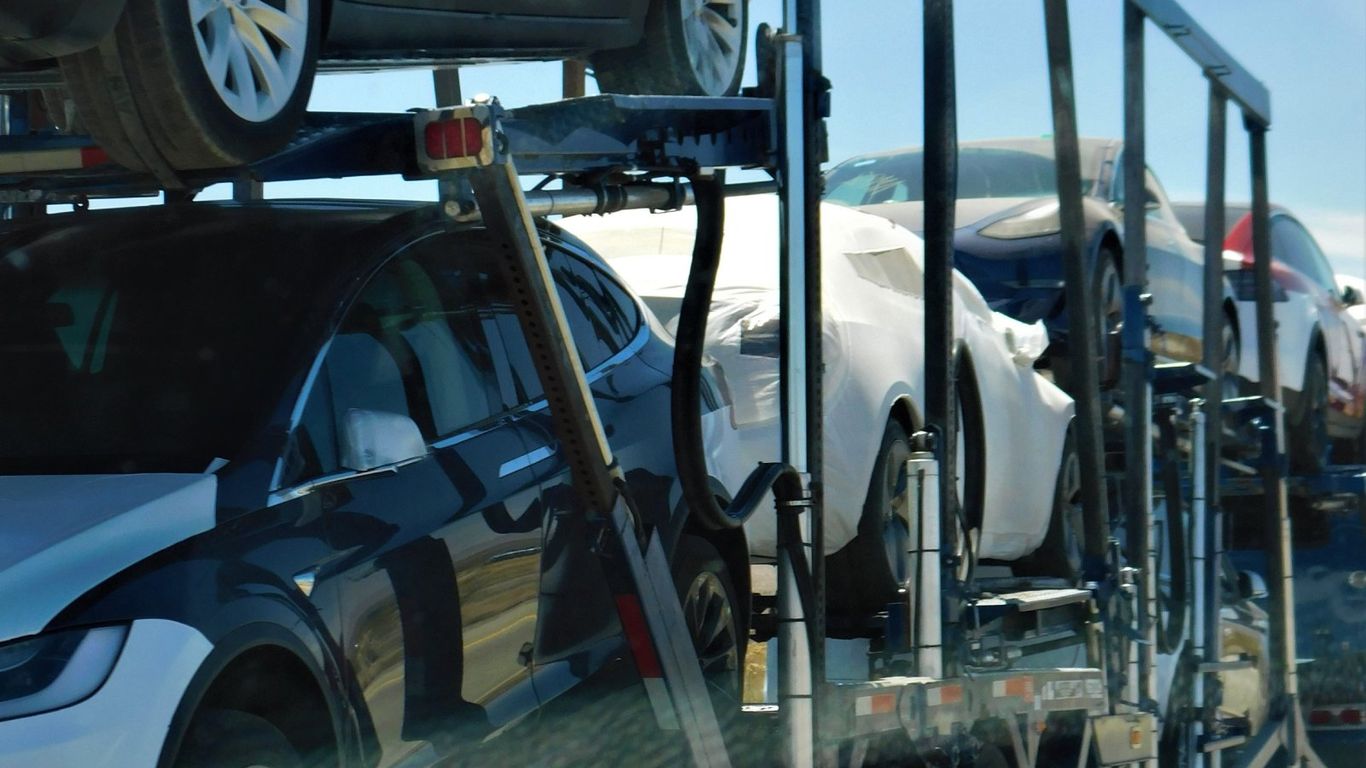
When you’re sending something across borders, picking how it travels is a pretty big deal. It’s not like just popping a package across town. You’ve got two main players here: sea and air. Each has its own vibe, and what works for one shipment might be a total miss for another. The choice really boils down to what you’re sending, how fast you need it there, and, of course, your budget.
Think about it like this: you wouldn’t use a semi-truck to deliver a single letter, and you wouldn’t send a whole living room set by express courier. It’s about matching the job to the tool. For most people shipping goods from the US to Europe, sea freight is the go-to. It’s the workhorse of global trade, moving huge amounts of stuff reliably. Air freight, on the other hand, is for when time is really of the essence. It’s faster, sure, but it costs more and can’t handle the sheer volume that ships can.
Here’s a quick look at the main differences:
The decision between ocean and air freight isn’t just about speed versus cost. It involves considering the specific nature of your goods, their value, and the acceptable transit time for your recipients. Sometimes, a slightly longer transit time by sea can save a significant amount of money, which can be reinvested elsewhere in your business.
Ocean freight is pretty much the backbone of international commerce for a reason. It’s built for volume. Whether you’re shipping a few pallets or an entire container’s worth of inventory, the sea can handle it. You’ve got options like Full Container Load (FCL), where you get a whole container to yourself – great for security and speed once it’s packed. Then there’s Less than Container Load (LCL), which is like carpooling for your cargo. Your stuff shares space with other shipments, making it a really smart way to ship if you don’t have enough to fill a whole container. This method is fantastic for businesses shipping inventory or raw materials.
When a deadline is looming, air freight is your best bet. It cuts down transit times dramatically, often getting your goods from the US to Europe in just a few days. This is super important for things like perishable goods (though those have their own set of rules), urgent business documents, or critical replacement parts that a factory needs to keep running. While it’s pricier, the speed can sometimes be worth the extra cost, especially if delays mean losing out on sales or production.
| Factor | Ocean Freight | Air Freight |
|---|---|---|
| Transit Time | 13-35 days | 3-7 days |
| Best For | Large, heavy cargo | Small, time-sensitive |
| Cost | Lower for volume | Higher |
| Capacity | Very High | Moderate |
Dealing with customs when shipping internationally can feel like a maze, but it’s really about understanding the rules of the road. Think of it like this: every country has its own way of checking things that come in and go out. For shipments heading to Europe, for example, you’ll run into specific requirements that differ from what you might expect for a domestic package. It’s not just about the distance; it’s about the paperwork and the legal checks.
When your goods are destined for the European Union, you’ll need to be aware of the Union Customs Code (UCC). This is the framework that governs how goods move in and out of EU countries. A big part of this is getting the right Harmonized System (HS) codes for your items. These codes are like a universal language for customs officials, telling them exactly what your product is and how much duty or tax it should incur. Getting these codes wrong can lead to delays or unexpected fees. For instance, misclassifying a piece of furniture could mean paying more than you should. It’s also important to know about the EORI number, which is basically a unique ID for businesses and individuals who import or export goods within the EU. You’ll need this for commercial shipments. Understanding EU import duties and VAT is also key, as these taxes apply differently depending on the value and type of goods.
Shipping personal items, like moving your household goods, has its own set of rules. You can’t just slap a label on a box and call it a day. Customs officials need a clear picture of what you’re sending. Instead of writing "stuff" or "gift," you need to be specific. Think "5 cotton t-shirts" or "1 ceramic coffee mug." This detailed inventory, along with a realistic valuation and proof of where the items came from, helps customs avoid unnecessary inspections. If you’re relocating, you might even qualify for duty-free entry on used personal property, but you’ll need the right paperwork to prove it. Moving internationally requires careful planning, especially when it comes to these declarations.
Here’s a breakdown of what you might encounter when your shipment arrives in the EU:
The key takeaway here is that accuracy in your declarations and understanding the value of your goods are paramount. Customs authorities are increasingly using technology to verify declared values, so being upfront and precise is the best strategy to avoid issues at the border.
It’s always a good idea to check the specific regulations for the destination country within the EU, as there can be minor variations. Being prepared with the correct documentation and understanding these charges upfront will make the entire process much smoother.
Moving things across borders isn’t as quick as dropping a box at the post office. International shipments have to stand up to much more handling, stricter rules, and sometimes wild weather changes on their way from origin to destination. Get these steps wrong, and your goods could end up delayed, damaged, or even refused at the border. Let’s break down what you really need to know.
Not all boxes are created equal. International parcels go through a lot: forklifts, stacking, rough ocean journeys, and even humid or freezing climates. Your standard moving boxes probably won’t cut it.
Maximum size and weight limits also come into play. Compare some typical limits:
| Service Type | Max Weight (lbs) | Max Size (inches, L+W+H) |
|---|---|---|
| International Parcel (Priority) | 70 | 108 |
| International Parcel (Economy) | 4 | 36 |
| Freight (LCL/FCL) | Custom (pallets/containers) | Custom |
Tip: Anything above common parcel size gets handled as freight, requiring pallets or full containers.
Don’t cut corners on packaging just to save a few bucks. A damaged shipment can lead to headaches with customs and long insurance claims.
Here’s where lots of folks trip up. Something that’s harmless at home could be outright banned overseas. Ignoring these restrictions almost guarantees hassle.
Common restricted or banned items:
Always check the destination country’s customs website for the most up-to-date restricted lists.
For more on special handling and forbidden goods, review materials like the full guide on container prep and compliance.
Shipping a car, motorcycle, or industrial machine is a whole different ballgame compared to moving boxes of clothes or books. It’s less about fitting things in a box — and more about safety, security, and red tape.
Checklist for shipping vehicles/machinery:
These steps help avoid surprise delays or rejections when your shipment gets to the port in Europe.
Taking extra time now — especially with large equipment or vehicles — saves you far more than you’ll spend fixing a customs problem later. Most hold-ups come down to small things: a half-full gas tank, mystery items in the backseat, or missing paperwork.
Don’t forget — international shipping is about documentation just as much as it’s about the cargo. Making sure your shipment meets all packaging, content, and legal requirements gets it there without drama.
So, you’ve got your goods ready to go, but what actually happens next? Sending something across borders isn’t like dropping a package at the local post office. It’s a whole process, and understanding the steps can make things a lot smoother. Think of it as a carefully choreographed dance, with different players and stages.
When your shipment leaves the US, it’s not just put on a boat and magically appears in Europe. First, it needs to get to the port. This usually involves trucking, and depending on your location, it might travel quite a bit inland before hitting the coast. Once at the port, it gets loaded onto a massive ocean vessel. This is where the real journey across the Atlantic begins. The ship travels for days, sometimes weeks, depending on the route and weather. After docking at a European port, it’s unloaded and then typically transferred to trucks or trains for the final leg to the recipient’s doorstep. It’s a long chain of events, and each link needs to be solid.
One of the first big choices you’ll make is how your goods will travel inside the container. You’ve got two main options:
Choosing between FCL and LCL really comes down to how much you’re shipping and how quickly you need it there. It’s a trade-off between cost, speed, and how much you want to manage the space.
Trying to coordinate all these steps yourself can be a headache. That’s where a freight forwarder comes in. They act like your personal logistics manager. They don’t actually own the ships or trucks, but they have the connections and know-how to arrange all the different parts of the journey. This includes booking space on ships, handling the paperwork, dealing with customs, and arranging the trucking at both ends. They are the ones who make sure your cargo moves smoothly from the moment it leaves your door until it arrives at the recipient’s. Having one point of contact simplifies things immensely, especially when dealing with international shipping complexities.
For example, a freight forwarder might handle:
They essentially orchestrate the entire move, so you don’t have to chase down multiple companies. It’s a service that can save you a lot of time and potential problems. You can learn more about what freight forwarding entails to get a better picture.
Technology has completely changed how people think about supply chains. Not long ago, everything was tracked on paper forms or in endless spreadsheets. Now, real-time digital systems provide information at every step, making it possible to respond to problems as soon as they pop up.
Modern shipping companies rely on digital tools more than ever. Online platforms allow for simple bookings, automated customs documents, and direct links to carriers. Ocean freight, for example, is no longer a guessing game:
Here’s a quick table showing the difference between old and current freight management practices:
| Aspect | Traditional Freight | Digital-Enabled Freight |
|---|---|---|
| Status updates | Phone calls, faxes | Real-time online tracking |
| Paperwork | Printed, mailed | Instant digital files |
| Booking a shipment | Manual forms | One-click web portals |
Modern technology in ocean freight means the information often moves just as quickly as the cargo itself, closing gaps that slow down shipping.
If you’ve ever wondered, “Where’s my package?” real-time tracking solves that. GPS tracking, milestone alerts, and live dashboards let shippers and customers see exactly where a shipment is. This isn’t just peace of mind—it’s a way to act fast if something goes wrong.
Some reasons tracking boosts resilience:
For more practical strategies, check out some new methods in supply chain resilience.
Tech tools are only helpful if you avoid some regular mistakes. Here are three to never overlook:
By avoiding these simple mistakes and using digital systems as a tool, most shippers will dodge the biggest headaches in international logistics.
Bottom line: Tech won’t solve every problem overnight, but it makes it far simpler to keep your supply chain steady. The trick is to use it wisely and stay alert for potential hiccups.
International shipping can feel overwhelming at first, but it really comes down to a few key steps: get your paperwork right, pack your items well, and know what’s allowed on both sides of the ocean. Whether you’re sending a single box to a friend or moving your whole household, the details matter. Customs forms, item lists, and the right codes aren’t just busywork—they’re what keep your shipment moving. And if you’re not sure about something, asking for help from a shipping company or customs expert can save you a lot of headaches. In the end, a little planning goes a long way. Once you’ve done it once or twice, the process starts to make sense. So, take it one step at a time, double-check your documents, and don’t be afraid to reach out for support. Shipping across borders isn’t always easy, but with the right prep, you can get your stuff where it needs to go without too many surprises.
Shipping within the US is pretty straightforward – you usually just need a label and it gets there fast. International shipping is way more complex. You need lots of special papers, like customs forms and invoices, and you have to follow rules for each country you’re sending to. It also takes a lot longer because it has to go through customs in both countries.
It really depends! The actual travel time on a ship or plane is just part of it. Getting through customs in the destination country can take a while, especially if your paperwork isn’t perfect. Sometimes it takes a few days, but it can also stretch into weeks, or even longer if there are unexpected delays at ports.
You’ll definitely need a commercial invoice that lists everything you’re sending, its value, and who it’s going to. A packing list is also super important, showing exactly what’s in each box. You’ll also need to know the HS codes for your items, which are like special numbers that tell customs exactly what your stuff is.
Nope, definitely not! Some things are banned or restricted, like certain batteries, aerosols, or even some foods because they can be dangerous or spread pests. You really need to check the list of prohibited items for the country you’re sending to before you pack anything.
Shipping by air is super fast, usually just a few days after it leaves the airport, but it’s more expensive and you can’t send as much. Ocean freight is much slower, taking weeks, but it’s way cheaper and perfect for sending large amounts of stuff or big items like cars and furniture.
The biggest thing is to get your paperwork exactly right! Make sure all your descriptions are super clear and specific, and that the values you list are accurate. Double-check all the addresses and contact info. Also, try to avoid shipping right before major holidays, as ports can get really busy and slow things down.