
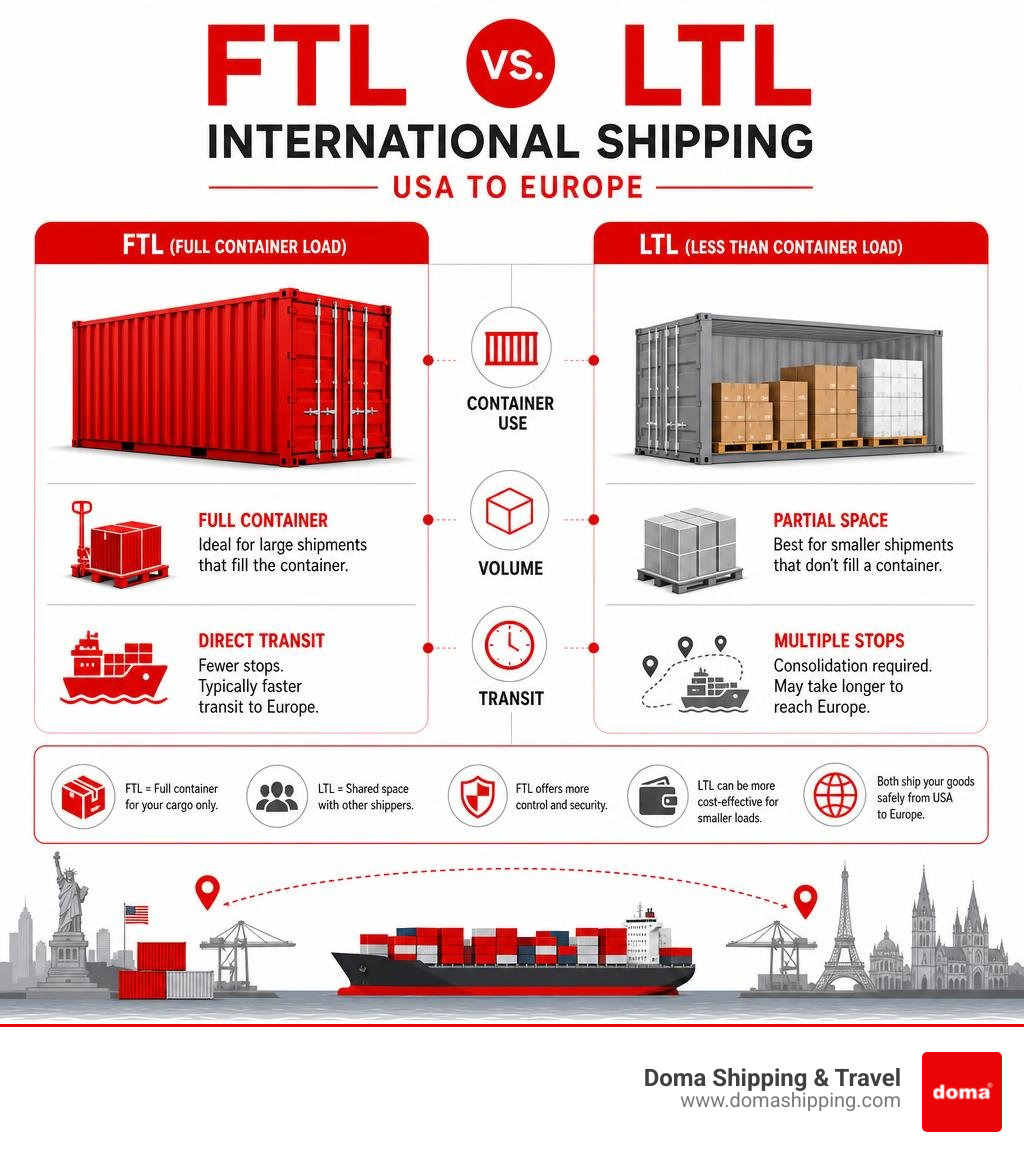
FTL containers from USA are full container load (FCL) shipments where one shipper occupies an entire shipping container for international transport — most commonly a 20 ft or 40 ft ISO container moving by ocean freight to destinations like Poland or other European countries.
Here’s a quick overview of what that means in practice:
| Feature | FTL / FCL Container |
|---|---|
| Who uses it | Families, businesses shipping large volumes overseas |
| Common sizes | 20 ft, 40 ft, 40 ft High Cube |
| Typical destinations from USA | Poland, Germany, UK, Netherlands, and other EU countries |
| Transit time to Europe | Approximately 20–35 days depending on route |
| Best for | Household goods, vehicles, palletized cargo, business inventory |
Whether you’re relocating to Poland, sending a large shipment of personal belongings, or moving business goods across the Atlantic, understanding how FCL container shipping works — and whether it fits your situation — is the first step to getting it right.
The process involves more than just booking a box on a ship. Customs documentation, container selection, and proper cargo preparation all play a role in whether your shipment arrives smoothly or gets held up at the border.
This guide walks you through everything you need to know about shipping a full container from the USA to Europe — clearly and without unnecessary jargon.
Basic FTL containers from USA terms:
When organizing transatlantic transport, understanding the logistics of Full Container Load Shipping is essential. Although “FTL” historically stands for “Full Truckload” in domestic over-the-road trucking, in the realm of international ocean freight, the term is frequently used interchangeably with FCL (Full Container Load). It signifies that you have secured the exclusive use of an entire shipping container.
Unlike partial shipping methods where your cargo shares space with goods belonging to other parties, an FTL container remains dedicated solely to your shipment. This setup is highly beneficial for large-scale moves, commercial inventory distribution, or transporting vehicles alongside personal belongings. When you utilize an entire container, you avoid the complexities of sharing space, which means your cargo is not subject to the handling requirements or potential delays associated with other shippers’ goods.
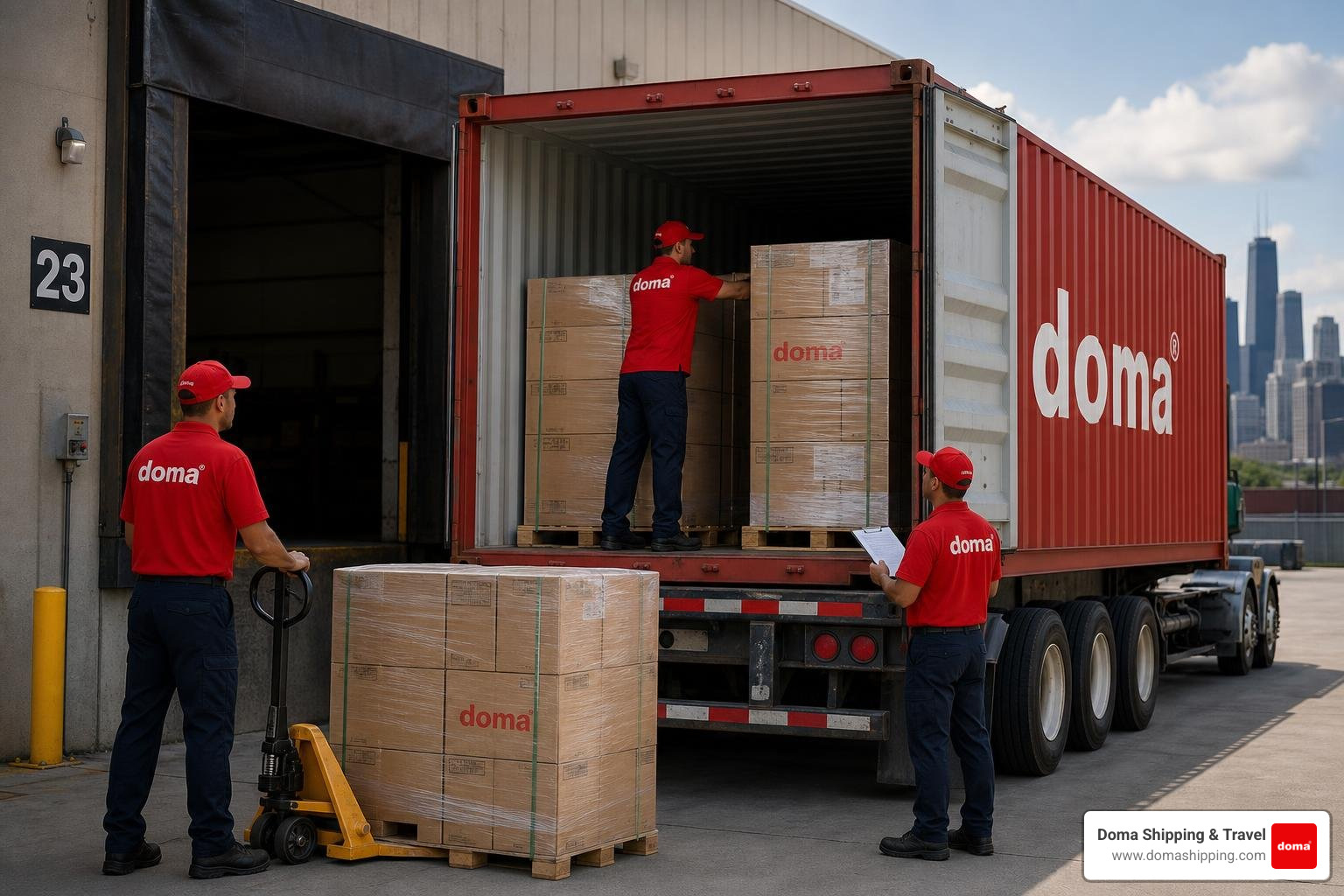
For shipments originating from our key service areas in Illinois — including Chicago, Melrose Park, Palos Hills, and Algonquin — the logistics journey begins right at your doorstep or at our regional consolidation hubs. Your goods are loaded into a secure container, such as a sturdy New 20ft Shipping Container, and transported via rail or truck to major coastal ports, where they are loaded onto ocean vessels bound for European destinations. This intermodal transport system requires precise coordination between local trucking services, rail networks, and ocean carriers to ensure that the container transitions smoothly from the Midwest to the coastal port without unnecessary dwell time.
Selecting the right container size ensures that your cargo is transported safely and efficiently. The two standard workhorses of ocean freight are the 20-foot and 40-foot containers. For taller cargo or extra volume, high cube configurations are also widely utilized. Understanding the physical dimensions and weight limits of these containers is crucial for proper planning and loading.
To help you plan your shipment, here is a comparison of the standard specifications:
| Container Type | External Dimensions (L x W x H) | Internal Volume | Maximum Payload Capacity |
|---|---|---|---|
| 20 ft Standard | 20′ x 8′ x 8.5′ | Approx. 1,170 cu. ft. | Approx. 47,800 lbs |
| 40 ft Standard | 40′ x 8′ x 8.5′ | Approx. 2,389 cu. ft. | Approx. 58,800 lbs |
| 40 ft High Cube | 40′ x 8′ x 9.5′ | Approx. 2,694 cu. ft. | Approx. 58,600 lbs |
When deciding between these options, consider both the volume and the weight of your goods. For example, heavy, dense cargo like machinery or tiles may reach the maximum weight limit in a 20-foot container before filling its physical space. Conversely, lighter, voluminous items like household furniture or retail inventory are better suited for a 40-foot or 40-foot High Cube container, which offers double the volume with only a slight increase in weight capacity.
For specialized cargo requiring temperature stability, options like a 40 Ft HC insulated container provide excellent thermal protection without the need for active refrigeration machinery. Choosing between these configurations depends entirely on the physical volume, weight, and sensitivity of your goods. To learn more about selecting the right container for your specific items, explore our guide on Shipping Containers Overseas.
Opting for a dedicated container offers distinct operational advantages over shared shipping methods. When you utilize a full container, you gain complete control over how your items are packed, organized, and secured. This autonomy allows you to implement specific blocking and bracing techniques tailored to your unique cargo, ensuring that everything remains stable during the transatlantic voyage.
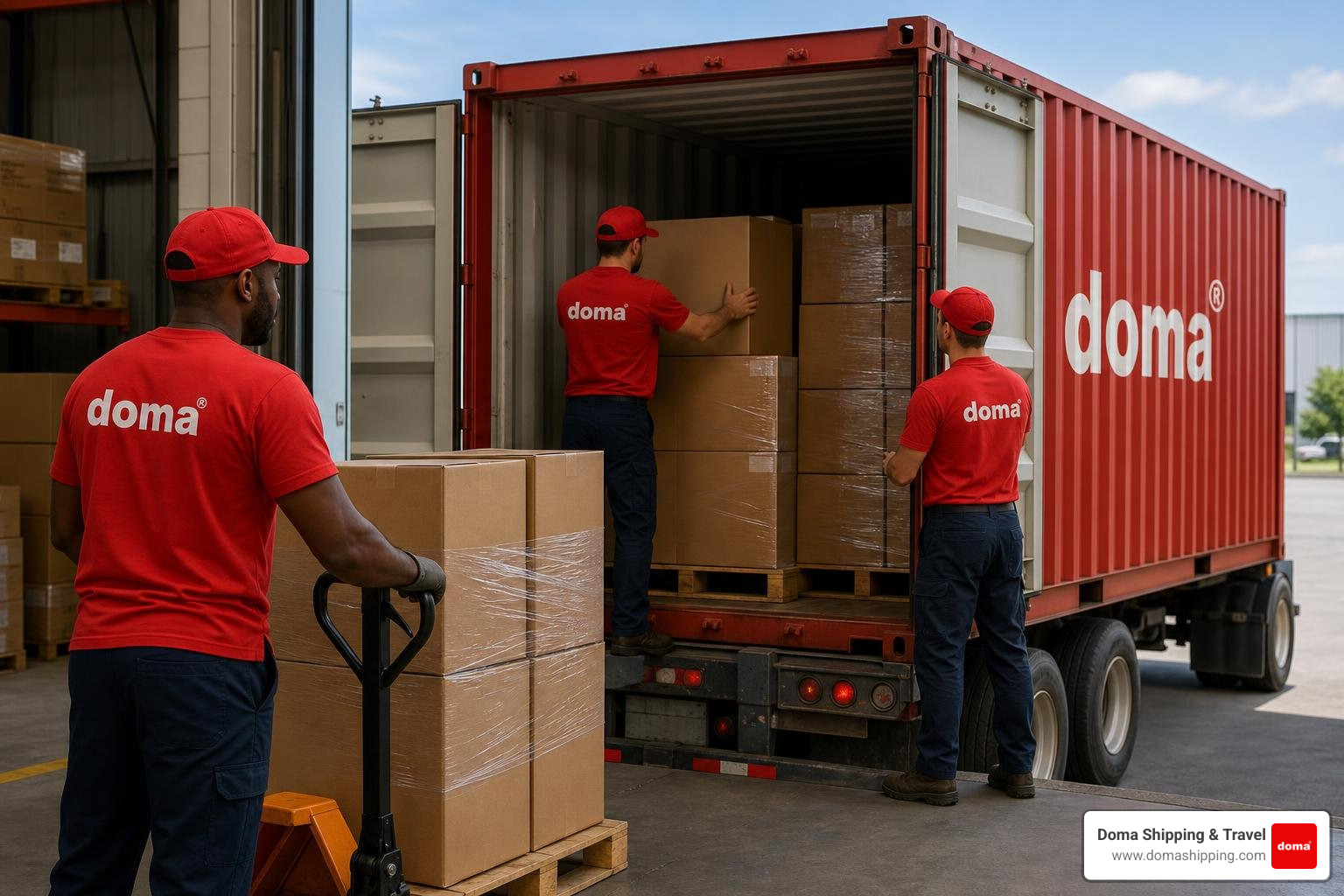
This method streamlines the transition from the loading point in the United States directly to the final destination in Europe. By eliminating intermediate handling, you significantly reduce the risk of logistical delays. For a complete look at how this seamless process works from origin to destination, review our Door to Door Container Shipping overview.
Security is a primary reason why many shippers prefer FTL containers from USA. Once your goods are loaded at our facility or your location in the Chicago suburbs, the container is sealed with a heavy-duty, high-security bolt seal. This seal is registered with a unique identification number that is documented on the Bill of Lading, providing a clear chain of custody.
This seal remains intact throughout the entire ocean voyage and is only broken upon arrival at the final destination or during official customs inspections. Because your cargo does not share space with other shipments, there is no risk of co-mingling, accidental unloading at intermediate ports, or cross-contamination from other materials. This level of isolation is particularly important for high-value commercial goods, sensitive electronics, or personal household items that require maximum protection.
With full container shipping, your transit timeline is much more predictable. In shared container shipping, cargo must wait at a consolidation warehouse until enough volume is collected to fill the container. FTL shipments bypass this consolidation phase entirely.
Once loaded, your container goes straight to the port to catch the next scheduled vessel. This direct routing minimizes transit times and ensures your goods reach European ports, such as those in Poland or Germany, on a highly reliable schedule. Furthermore, because the container does not need to be opened and resorted at transshipment hubs, the overall port handling process is significantly accelerated, allowing for faster customs clearance and final delivery.
Exporting cargo from the United States to Europe requires strict adherence to international maritime laws and European Union customs regulations. Every container leaving the USA must be properly documented to clear customs without delay.
Key documentation requirements include:
Specialized cargo, such as electronics or items containing lithium batteries, requires additional compliance measures. Utilizing specialized transport gear like a certified Lithium-Ion Battery Container ensures adherence to safety regulations during transit. Navigating these requirements can be complex, but mastering the details of International Container Shipping ensures your cargo moves smoothly across international borders.
In international ocean freight, FTL (or FCL) means you rent and utilize an entire container exclusively for your goods. LTL (or LCL) stands for Less than Container Load, where your cargo is consolidated into a single container alongside shipments from other customers. FTL is ideal for larger volumes, while LTL is suitable for smaller shipments.
Typically, ocean transit from East Coast ports to major European ports takes between 20 to 35 days. The exact duration depends on the specific ocean route, weather conditions, and port handling efficiency at both origin and destination.
You will need a Bill of Lading, a detailed commercial invoice, a comprehensive packing list, and a completed AES filing. Depending on the nature of your cargo, certificate of origin documents or safety data sheets (for regulated materials) may also be required.
Shipping FTL containers from USA to Europe is a highly secure, efficient, and reliable method for transporting large volumes of household goods, commercial inventory, or vehicles. By securing an entire container, you benefit from faster transit times, reduced handling, and maximum cargo protection.
At Doma Shipping, we bring over 30 years of international logistics and freight forwarding experience to every shipment. Serving Chicago and suburbs like Melrose Park, Roselle, and Palos Hills, we specialize in comprehensive shipping services from the USA to Poland and greater Europe. Let us handle the complexities of your next transatlantic shipment with the care and expertise your cargo deserves.